
Is Your Cat Dehydrated? Subtle Signs Every Cat Owner Should Watch For
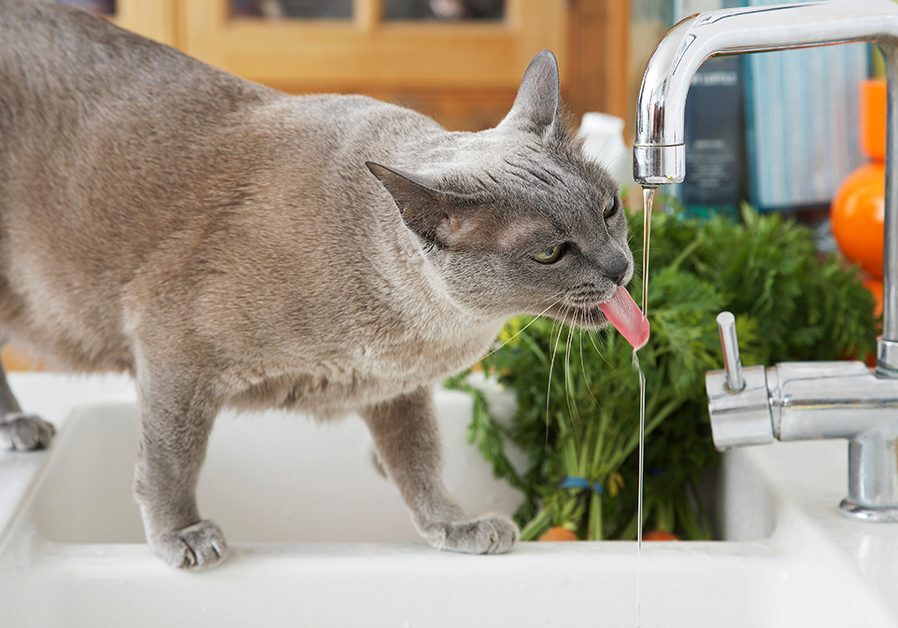

Cat dehydration happens when your cat loses more fluid than it takes in, and early signs include lethargy, reduced appetite, dry or tacky gums, and sunken-looking eyes. Because cats hide illness well and often drink very little to begin with, a cat can become dehydrated before most owners realize anything is wrong. Dehydration is rarely a standalone problem. It usually signals an underlying issue such as kidney disease, vomiting, diarrhea, or a fever, which is why it deserves prompt attention. At Feline Medical Clinic in Vancouver, WA, we see cat dehydration in patients of every age, from young kittens with stomach upset to senior cats managing chronic illness. This guide walks you through how dehydration affects a cat’s body, the quiet clues to look for, what typically causes it, and how veterinarians restore healthy fluid levels.
What Is Dehydration in Cats?
Dehydration in cats is a shortage of water and essential electrolytes in the body. Water makes up roughly 60 to 70 percent of a healthy cat’s body weight, and every organ depends on it to function properly.
Fluids help regulate body temperature, carry nutrients to cells, cushion joints, and flush waste out through the kidneys. Electrolytes such as sodium, potassium, and chloride travel with that water and keep nerves and muscles, including the heart, working correctly. When fluid levels drop, the body starts pulling water away from less critical tissues to protect vital organs. Over time, this strain can damage the kidneys and disrupt circulation.
Why Cats Are Especially Vulnerable
Domestic cats descend from desert-dwelling ancestors who got most of their moisture from prey. As a result, many cats have a naturally low drive to drink. A cat eating only dry kibble may take in far less water than one eating moist food, leaving less margin for error when illness strikes. That built-in tendency makes cat dehydration more common, and more easily overlooked, than many owners expect.
Cat Dehydration Symptoms
The signs of cat dehydration often start out mild and become more obvious as fluid loss increases. Paying attention to small changes in your cat’s routine can help you catch the problem early.
- Lower energy or more time spent sleeping and hiding
- Reduced interest in food or treats
- Dry, sticky, or pale gums instead of moist, pink ones
- Eyes that look dull or slightly sunken
- Thick saliva or drooling
- Skin that seems less elastic than usual
- Fewer or smaller clumps in the litter box, or constipation
- Panting or an elevated heart rate in more advanced cases
When Symptoms Become Serious
Severe cat dehydration can lead to weakness, a cold feel to the paws and ears, collapse, or an inability to stand. These signs suggest your cat’s circulation is struggling and require emergency care. Kittens and senior cats can decline especially quickly, so even moderate signs in these age groups warrant a same-day call to your veterinarian.
Causes of Dehydration in Cats
Dehydration develops when fluid loss outpaces fluid intake, and the reasons can be sudden or gradual. Identifying the underlying cause is just as important as replacing the missing fluids.
Conditions That Increase Fluid Loss
Vomiting and diarrhea are among the fastest ways a cat can lose water and electrolytes. Chronic kidney disease, one of the most common illnesses in older cats, prevents the kidneys from concentrating urine, so affected cats lose large amounts of water every day. Diabetes and hyperthyroidism also increase urination and thirst. Fever, heatstroke, and blood loss from injuries can cause rapid fluid depletion as well.
Factors That Reduce Water Intake
Sometimes the problem is that a cat isn’t drinking or eating enough. Dental pain, nausea, upper respiratory infections that block the sense of smell, and stress from changes at home can all cause a cat to skip meals and water. A dirty bowl, a water dish placed beside the litter box, or a household move can be enough to discourage some cats from drinking. In multi-cat homes, a dominant cat may block others from reaching shared resources, which can quietly contribute to cat dehydration in the more timid pets.
What To Do If Your Cat Is Dehydrated
If you suspect cat dehydration, contact your veterinarian right away rather than trying to resolve it at home. Since dehydration almost always stems from another health problem, your cat needs an exam to find and address that cause.
Before you call, take note of any details that could help the veterinary team. Useful information includes when you first noticed a change, whether your cat has vomited or had diarrhea, how much they have been eating, and any recent changes in litter box habits. Mention any medications your cat takes and any known health conditions, especially kidney disease or diabetes.
Why Home Remedies Aren’t Enough
Offering water is a natural instinct, but a cat with significant fluid loss often can’t drink enough to catch up, and some underlying causes make drinking or keeping fluids down difficult. Forcing water by syringe can also lead to choking or inhaling liquid into the lungs. A veterinarian can measure how dehydrated your cat is and choose the safest way to restore fluids, which is something no home approach can replicate. Prompt treatment also lowers the risk of complications such as kidney injury.
Treatment for Dehydration in Cats
Veterinarians treat cat dehydration by replacing lost fluids and electrolytes and then addressing the condition that caused the problem. The specific approach depends on how severe the dehydration is and how stable your cat is overall.
During the exam, your veterinarian will check your cat’s gums, eyes, skin elasticity, heart rate, and weight. Blood tests and a urinalysis help gauge the level of dehydration, assess kidney function, and check electrolyte balance. These results guide both fluid choice and the next steps in diagnosis, and they show whether cat dehydration has already begun to affect organ function.
How Fluids Are Given
Cats with mild dehydration may receive fluids under the skin, which the body absorbs gradually over several hours. Cats with moderate to severe cases usually need intravenous (IV) fluids during a hospital stay so the team can deliver fluids directly into the bloodstream and monitor progress closely. Depending on the underlying cause, treatment may also include anti-nausea medication, pain relief, nutritional support, or therapy for a specific disease. Cats with chronic kidney disease sometimes need ongoing fluid support, and your veterinarian will discuss whether that is right for your cat.
How To Prevent Dehydration in Cats
While not every case can be avoided, simple daily habits can lower the odds of cat dehydration and make problems easier to spot early. Prevention focuses on encouraging water intake and staying alert to changes.
- Add wet food to your cat’s diet to increase daily moisture intake.
- Place several water bowls in quiet spots around your home, away from food and litter boxes.
- Try a pet water fountain, since many cats prefer moving water.
- Clean and refill bowls daily, choosing wide, shallow dishes that don’t press on whiskers.
- Keep your home comfortably cool during summer heat waves.
Routine wellness visits are another powerful prevention tool. Regular bloodwork, particularly for cats over age seven, can reveal kidney disease, diabetes, or thyroid problems before they lead to serious cat dehydration.
Partner With Feline Medical Clinic for Your Cat’s Hydration and Health
Cat dehydration can creep up quietly, but noticing subtle shifts in energy, appetite, and litter box habits can make a real difference in how quickly your cat gets help. Most cases are very treatable when caught early, and identifying the root cause often uncovers a condition that can be managed for years. If you’re unsure whether your cat is drinking enough, your veterinarian can help you review diet, water setup, and health history. As a cats-only practice, Feline Medical Clinic offers a calm environment and a team experienced in the unique needs of feline patients. We can evaluate your cat, run any needed tests, and build a care plan that supports healthy hydration for the long term. If you’ve noticed signs of dehydration or want to schedule a wellness exam in Vancouver, WA, call us today at (360) 892-0224.
Recent Posts
About Us
Located in Vancouver, WA, we’ve been dedicated to feline-only care since 1977 and proudly maintain both AAHA accreditation and Cat Friendly Practice Gold-level status. Our team creates a calm, cat-focused environment designed to meet the unique needs of every feline patient we see.