
Is Your Cat Panting? When It’s Normal and When It’s an Emergency
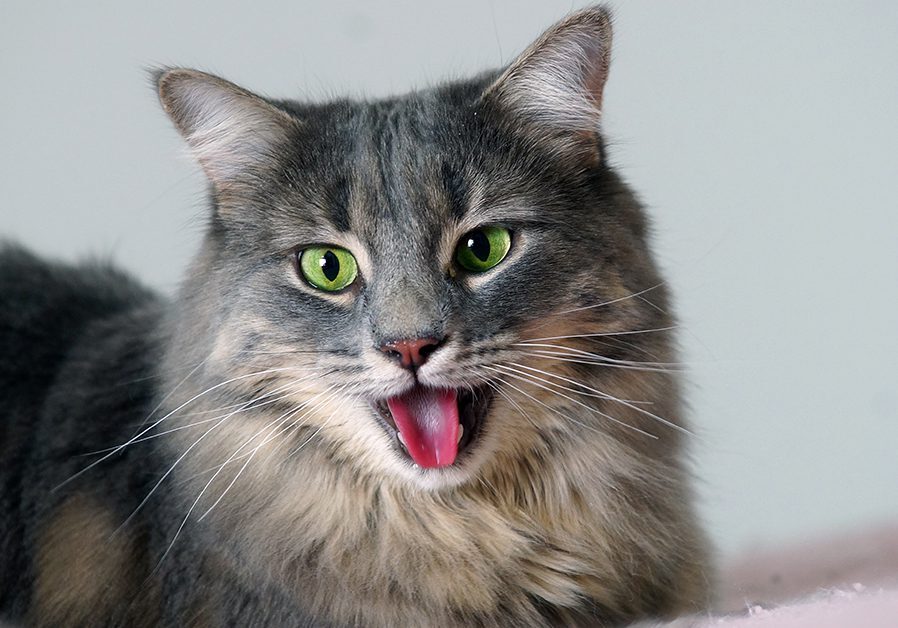

Cat panting is normal only in brief bursts, such as after intense play, a stressful car ride, or time in a hot room, and it should stop within a few minutes once your cat rests. Panting that starts while your cat is calm, lasts more than a few minutes, or comes with other warning signs can point to a serious heart or lung problem and needs prompt veterinary attention. Unlike dogs, cats rarely breathe through an open mouth, so this behavior deserves a closer look whenever you see it. At Feline Medical Clinic in Vancouver, WA, we often meet worried owners who aren’t sure whether their cat’s breathing is cause for concern. In this article, we explain the most common reasons cats pant, how to tell an ordinary episode from an urgent one, and what to expect when you bring your cat in for an evaluation.
Why Is My Cat Panting?
Cats pant when their bodies need more oxygen than normal nose breathing can supply or when they need to release extra heat. Dogs rely on panting to cool down every day, but cats depend mostly on resting, grooming, and finding cool surfaces, which is why open-mouth breathing in a cat stands out.
A healthy cat breathes quietly through the nose at roughly 20 to 30 breaths per minute while resting or sleeping. When a cat suddenly opens its mouth to breathe, the body is signaling that it is working harder than usual. Sometimes the reason is harmless and temporary. Other times, cat panting is the first visible sign of an illness the cat has been hiding for weeks.
Panting vs. Other Breathing Changes
Panting is just one type of abnormal breathing. Owners may also notice rapid shallow breaths, a pumping motion of the belly with each breath, wheezing, or a crouched posture with the neck stretched forward. Any of these changes can accompany cat panting, and together they help your veterinarian narrow down the cause. Because cats are so good at masking illness, a change in breathing is one of the few clues they can’t easily hide.
Common Causes of Cat Panting
The reasons behind cat panting range from short-lived stress to life-threatening disease. Some causes resolve on their own within minutes, while others require immediate medical care.
Temporary and Situational Causes
Brief panting often follows vigorous exercise, especially in kittens and young cats who play hard and then flop down to recover. Stressful events, such as a trip to the groomer, a new pet in the home, or loud fireworks, can also trigger short episodes. Overheating on a warm day may cause a cat to breathe with its mouth open as well. In these situations, breathing should return to normal quickly once the trigger is gone.
Medical Causes
When panting appears without an obvious trigger or doesn’t settle down, an underlying health condition is often responsible. Veterinarians commonly trace persistent cat panting to issues such as:
- Heart disease: Hypertrophic cardiomyopathy and congestive heart failure can allow fluid to build up in or around the lungs.
- Feline asthma: Inflamed, narrowed airways make it hard for air to move in and out.
- Respiratory infections: Viral or bacterial infections can congest the nose and spread to the lungs.
- Heartworm disease: Even a small number of worms can trigger severe inflammation in a cat’s lungs.
- Anemia: A low red blood cell count means less oxygen reaches the body’s tissues.
- Pain or trauma: Injuries, such as a fall or car accident, may cause rapid breathing from pain or chest damage.
- Hyperthyroidism: An overactive thyroid speeds up metabolism and places extra strain on the heart.
Obesity can make all of these problems worse by putting more pressure on the chest and reducing a cat’s tolerance for activity and heat.
Should You Go to the Vet If Your Cat Is Panting?
Yes, you should contact your veterinarian if your cat pants while at rest, for longer than a few minutes, or more than once without a clear reason. Because panting is unusual in cats, it is always safer to have it checked than to wait and see.
Signs That Mean It’s an Emergency
Some breathing changes call for immediate care at your veterinarian or the nearest emergency hospital. Head in right away if you notice any of the following:
- Blue, gray, or very pale gums or tongue
- Open-mouth breathing that continues after your cat has rested
- Labored breathing with visible effort from the belly or chest
- Sudden weakness, collapse, or wobbling in the back legs
- Coughing, wheezing, or gagging along with fast breathing
- Panting after a known fall, fight, or other injury
- Breathing difficulty in a cat already diagnosed with heart disease or asthma
When a Prompt Appointment Is Enough
If your cat had a single short episode after play or stress and now breathes normally, call your veterinarian to describe what happened. The team can help you decide whether your cat should be seen soon. Taking a short video of the episode on your phone can be extremely helpful, since cats often breathe normally once they arrive at the clinic. Counting your cat’s breaths per minute while they sleep also gives your veterinarian a useful baseline.
How Veterinarians Diagnose Cat Panting
Finding the cause of cat panting starts with a careful physical exam and a detailed history. Your veterinarian will ask when the panting started, how long episodes last, and whether you have noticed other changes in appetite, energy, or behavior.
If your cat is struggling to breathe on arrival, the team will usually stabilize them first, often with oxygen support, before moving on to tests. Stressful handling can worsen breathing problems, so a cat-friendly approach matters a great deal at this stage.
Diagnostic Tests Your Veterinarian May Recommend
Once your cat is stable, your veterinarian may suggest one or more tests to look closely at the heart, lungs, and blood. Chest X-rays reveal fluid, airway changes, or an enlarged heart. An echocardiogram, which is an ultrasound of the heart, shows how well the heart muscle and valves are working. Bloodwork can uncover anemia, infection, thyroid disease, or organ problems, and a cardiac biomarker blood test can help flag heart disease. Heartworm testing, airway samples, or a small sample of chest fluid may also be useful depending on what the first results show. Each test adds a piece to the puzzle, so your veterinarian can build a treatment plan aimed at the true cause rather than just the symptom.
Treatment of Cat Panting
Treatment for cat panting depends entirely on what is causing it, which is why an accurate diagnosis comes first. Panting itself is a symptom, so the goal is to address the condition driving it.
Cats in respiratory distress often need emergency stabilization, which may include oxygen therapy in a quiet, temperature-controlled space. If fluid has collected around the lungs, a veterinarian may remove it to help the cat breathe more easily. Cats with overheating need controlled, monitored cooling in the hospital to protect their organs.
Long-Term Management
After the initial crisis passes, many conditions require ongoing care. Cats with heart disease may need prescription medications and regular rechecks to track heart function. Asthmatic cats often benefit from anti-inflammatory and airway-opening medications prescribed by their veterinarian. Infections may call for targeted antibiotics, while hyperthyroidism has several treatment options your veterinarian can review with you. Follow-up visits allow the care team to adjust the plan as your cat’s needs change, and your veterinarian will tell you which signs at home should prompt a call.
Prevention of Cat Panting
Not every cause of cat panting can be prevented, but routine care can lower the risk and help catch problems early. Early detection often means more treatment options and a better quality of life.
Annual wellness exams, or twice-yearly visits for senior cats, give your veterinarian a chance to listen to the heart and lungs and spot changes before they become emergencies. Some heart murmurs and thyroid problems are found during routine checkups in cats who seem perfectly healthy at home. Year-round heartworm prevention, which your veterinarian can recommend, protects indoor and outdoor cats alike. Helping your cat maintain a healthy weight reduces strain on the heart and lungs. At home, providing shaded, well-ventilated spaces during warm Pacific Northwest summers and reducing stressful situations when possible can also help. If your cat belongs to a breed prone to heart disease, such as a Maine Coon or Ragdoll, ask your veterinarian whether earlier cardiac screening makes sense.
Get Answers About Cat Panting at Feline Medical Clinic
Cat panting can be harmless after a burst of play, but it can also signal a heart, lung, or blood problem that needs fast attention. Watching for timing, triggers, and accompanying signs helps you decide how quickly to act, and when in doubt, it’s always best to call. Your cat can’t tell you when breathing feels difficult, so trusting your instincts is one of the most important things you can do. Feline Medical Clinic is a cats-only practice in Vancouver, WA, and our team understands the subtle ways cats show they don’t feel well. We offer calm, feline-friendly exams and diagnostics designed to keep stress low for your cat. If you’ve noticed your cat breathing with an open mouth or working harder to breathe, call us at (360) 892-0224 to schedule a visit.
Recent Posts
About Us
Located in Vancouver, WA, we’ve been dedicated to feline-only care since 1977 and proudly maintain both AAHA accreditation and Cat Friendly Practice Gold-level status. Our team creates a calm, cat-focused environment designed to meet the unique needs of every feline patient we see.