
Why Cat Vaccinations Are a Must for a Healthy Life
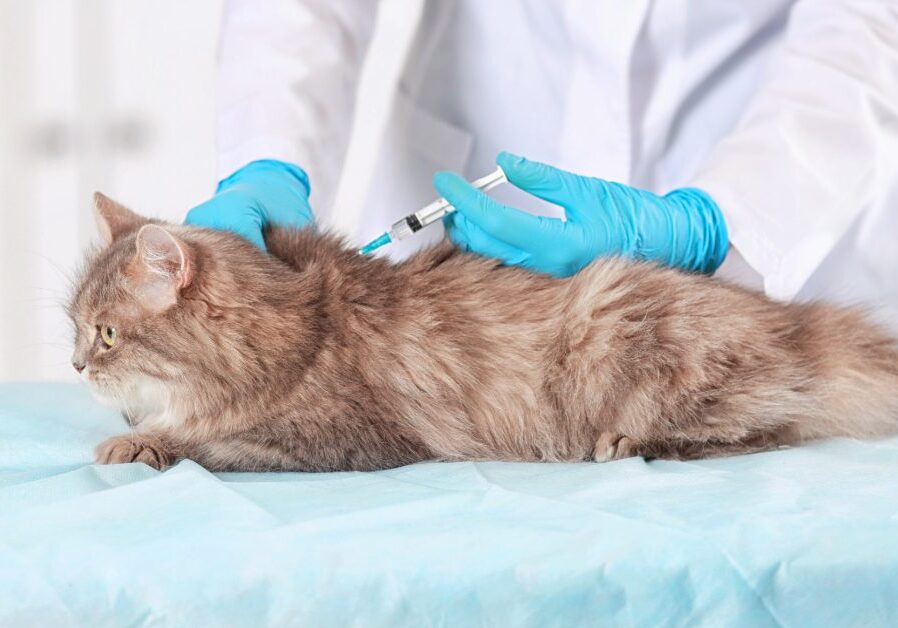

If you’ve ever wondered whether your indoor cat really needs vaccines, or whether keeping up with your kitten’s vaccination schedule is worth the hassle, you’re not alone. It’s one of the most common questions cat owners ask and the answer matters more than you might think. Cat vaccinations are one of the most effective, well-researched tools available for protecting your feline companion from serious, often life-threatening diseases. In this blog, we’ll walk you through exactly why vaccines are essential, what your cat is being protected against, and how to stay on top of a vaccination schedule that supports a long, healthy life.
What Are Cat Vaccinations and How Do They Work?
Cat vaccines work by introducing a harmless version of a pathogen or a piece of it into your cat’s body. This triggers the immune system to build a defense, so if your cat ever encounters the real disease, their body is ready to fight it. It’s a time-tested process that has saved countless animal lives and remains the cornerstone of preventive veterinary care.
Core vs. Non-Core Cat Vaccines
Not all vaccines are created equal, and your veterinarian will help determine which ones your cat actually needs. Core vaccines are recommended for every cat regardless of lifestyle. These protect against diseases that are widespread, severe, or transmissible to humans. Non-core vaccines are given based on your cat’s specific risk factors, such as whether they go outdoors or spend time in boarding facilities.
Core vaccines for cats typically include protection against feline panleukopenia (also called feline distemper), feline herpesvirus, feline calicivirus, feline leukemia virus (FeLV), and rabies. Non-core vaccines may include protection against Bordetella and Chlamydia felis, among others.
Are Cat Vaccines Safe?
Cat vaccines are rigorously tested for safety and efficacy before they’re approved for use. Mild, temporary side effects like slight soreness at the injection site or a day of low energy can occur, but serious reactions are rare. At Feline Medical Clinic, we offer PureVax non-adjuvanted vaccines, which are specifically formulated for cats and eliminate the adjuvants that have been associated with injection-site reactions. The protection vaccines provide far outweighs the minimal risks involved, and your veterinarian is the best person to discuss any concerns you may have about your individual cat’s health history.
Which Diseases Do Cat Vaccinations Protect Against?
Understanding what your cat is being protected against makes it easier to appreciate why these vaccines matter. Several of the diseases that standard cat vaccinations guard against can spread quickly, progress rapidly, and prove fatal, even in cats who appear otherwise healthy.
Feline Panleukopenia (Feline Distemper)
Feline panleukopenia is a highly contagious and potentially fatal viral disease that attacks a cat’s immune system and gastrointestinal tract. It spreads easily through contact with infected cats, contaminated surfaces, and even insects. Kittens are especially vulnerable. Vaccination is highly effective at preventing this disease, which is why it’s considered a core vaccine for all cats.
Feline Herpesvirus and Calicivirus
These two viruses are the primary culprits behind feline upper respiratory infections, or the “cat colds” that cause sneezing, eye discharge, and congestion. While adult cats may recover, these infections can be dangerous in kittens, senior cats, or immunocompromised cats. Both are included in the standard FVRCP vaccine combination, which is a foundational part of every cat’s vaccination protocol.
Rabies
Rabies is fatal once symptoms appear in both cats and humans. Even indoor cats can be exposed through a bat that enters the home or an accidental escape outside. Most states require rabies vaccination by law, and it’s a non-negotiable part of responsible cat ownership. If your cat has never been vaccinated for rabies, this is one of the first conversations to have with your vet.
Feline Leukemia Virus (FeLV)
FeLV is one of the most common infectious diseases in cats, particularly those who spend time outdoors or live in multi-cat households. It suppresses the immune system and can lead to cancer and other serious illnesses. The FeLV vaccine is strongly recommended for cats with any outdoor exposure and is often given to kittens as a precautionary measure.
What Is the Recommended Cat Vaccination Schedule?
Timing matters when it comes to cat vaccines. Kittens, adult cats, and senior cats each have different needs, and the schedule your veterinarian builds for your pet will reflect their age, lifestyle, and health status.
Kitten Vaccination Schedule
Kittens typically begin their vaccination series at 6 to 8 weeks of age. Core vaccines are given in a series of boosters spaced a few weeks apart, usually continuing until about 16 weeks of age. This series is important because maternal antibodies passed from the mother can interfere with vaccine effectiveness in very young kittens, so multiple doses help ensure full protection develops.
Adult Cat Booster Vaccines
After the kitten series is complete and a one-year booster is given, many core vaccines move to a three-year interval. Some, like the rabies vaccine, may be given annually depending on local laws and the specific product used. Your veterinarian will track your cat’s vaccination history and let you know when boosters are due. Staying current with these appointments is one of the most straightforward ways to protect your cat’s long-term health.
Senior Cat Vaccinations
Older cats may have changing immune function, which makes staying on top of vaccinations just as important, sometimes more so. Annual wellness exams for senior cats give your vet the opportunity to reassess vaccine needs alongside other age-related health checks.
Do Indoor Cats Need Vaccines?
This is one of the most frequently asked questions about feline preventive care, and the short answer is yes. While indoor cats do have a lower exposure risk than outdoor cats, they are not risk-free. Diseases can enter the home on your shoes or clothing, through a window screen, or during a brief outdoor escape. Rabies vaccination is often legally required regardless of lifestyle. And in multi-cat households, the risk of disease transmission is always present. The peace of mind that comes with knowing your cat is protected is genuinely valuable. A brief, routine vet visit for vaccines can prevent outcomes that are costly, heartbreaking, and entirely avoidable.
How Much Do Cat Vaccinations Cost?
The cost of cat vaccines varies depending on your location, the specific vaccines needed, and whether they’re bundled into a wellness package. Core vaccine combinations and rabies vaccines are generally very affordable, especially when weighed against the cost of treating the diseases they prevent.
Your Cat’s Best Defense Starts With a Conversation
Cat vaccinations at Feline Medical Clinic are not a one-size-fits-all checklist. They’re part of a personalized preventive care plan built around your individual cat. The best thing you can do for your feline companion is to work with a veterinarian you trust to develop that plan. Whether you have a new kitten who needs their first shots, an adult cat who’s overdue for boosters, or a senior cat whose needs have evolved, our team is here to help. Call (360) 892-0224 or book an appointment online.
Recent Posts
About Us
Located in Vancouver, WA, we’ve been dedicated to feline-only care since 1977 and proudly maintain both AAHA accreditation and Cat Friendly Practice Gold-level status. Our team creates a calm, cat-focused environment designed to meet the unique needs of every feline patient we see.