
Why Your Cat Might Be Constipated and How to Help Them
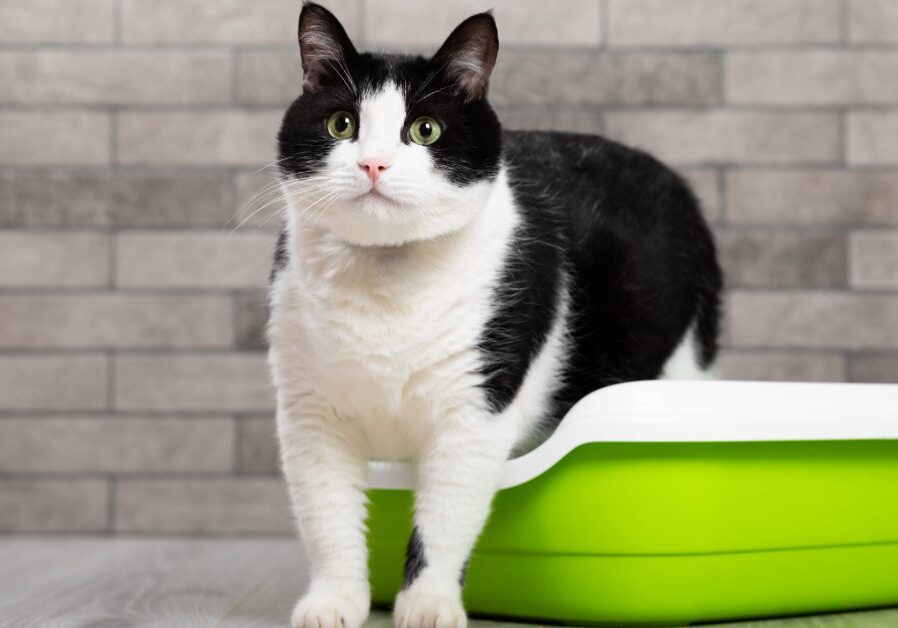

Cat constipation is one of those topics that might feel uncomfortable to bring up, but it is something that affects cats of all ages and, when left unaddressed, can become a serious health issue. In straightforward terms, cat constipation occurs when a cat cannot pass stool normally or does so infrequently and with difficulty, typically due to hard, dry feces that are difficult to move through the colon. It is more common than many pet owners realize, and recognizing it early can make a real difference in your cat’s comfort and long-term digestive health. Read on to learn what causes constipation in cats, how to tell if your cat is affected, and why a veterinary evaluation is the right first call when something seems off.
What Causes Cat Constipation?
Constipation in cats rarely has a single cause. Instead, it tends to develop when one or more underlying factors interfere with normal bowel function. Understanding the common causes helps explain why some cats are more prone to constipation than others and why a thorough veterinary evaluation is so valuable.
Dehydration
Dehydration is one of the leading contributors to feline constipation. When a cat does not take in enough water, the large intestine compensates by pulling additional moisture out of the stool, leaving it dry, compact, and difficult to pass. Cats that eat primarily dry kibble and have limited access to fresh water are at higher risk. Cats are naturally low-volume drinkers, so even mild ongoing dehydration can quietly disrupt digestive function over time.
Hairballs and Ingested Material
Cats that groom frequently can ingest significant amounts of hair, which accumulates in the digestive tract. While hairballs often travel through the system or are expelled through vomiting, they can also contribute to constipation by slowing stool transit or creating a partial blockage. Cats that over-groom due to stress or skin conditions are especially prone to this.
Obesity and Lack of Exercise
Overweight cats and cats with sedentary lifestyles are more likely to experience constipation. Physical activity naturally stimulates intestinal motility, the muscle contractions that move stool through the colon. Cats that spend most of their day inactive lose this built-in digestive support, making constipation more common.
Underlying Medical Conditions
In some cases, cat constipation signals a more significant health problem. Conditions that commonly cause or worsen constipation include kidney disease, hyperthyroidism, diabetes, neurological disorders, megacolon (a condition where the colon loses its ability to contract), pelvic injuries or narrowing, and masses or obstructions in or near the colon. This is one of the most important reasons to involve your veterinarian when constipation occurs, particularly if it is recurring.
How to Tell If Your Cat Is Constipated
Cats with constipation often show a recognizable set of signs, though some are subtler than others. Because cats are private about bathroom habits and instinctively hide discomfort, pet owners sometimes miss the early signs. Paying attention to your cat’s litter box habits is one of the most practical things you can do for their health.
- Infrequent or absent bowel movements: Healthy cats typically defecate once or twice per day. If you notice the litter box going unchanged for more than two days, cat constipation may be the cause.
- Straining in the litter box: A cat that enters the box frequently, squats for extended periods, or exits without producing stool is showing a classic sign of constipation. This is sometimes mistaken for a urinary issue, which is why veterinary evaluation matters.
- Hard, dry, or very small stools: When stool does appear, constipated cats often produce small, hard pellets or very dry feces rather than normal, well-formed stools.
- Crying or vocalization in the litter box: Straining that causes discomfort may prompt a cat to vocalize. This always warrants a call to your veterinarian.
- Reduced appetite, lethargy, or vomiting: When constipation is significant, cats may feel nauseated, lose interest in food, or become less active. These signs indicate the constipation is affecting your cat’s overall wellbeing.
- A hunched posture or swollen abdomen: Cats with substantial stool accumulation may show visible abdominal distension or adopt a tucked, hunched posture that reflects discomfort.
Cat Constipation vs. Urinary Blockage: Knowing the Difference
One of the most important distinctions in feline health is the difference between a cat straining from constipation and a cat straining from a urinary blockage. Both conditions look nearly identical from the outside, but a urinary obstruction is a life-threatening emergency that can be fatal within 24 to 48 hours if untreated. Male cats are particularly susceptible to urinary blockages.
If your cat is straining in the litter box and producing nothing, or producing only tiny drops, do not wait to see if the problem resolves on its own. Call your veterinarian immediately. A physical examination and urinalysis can quickly determine whether you are dealing with constipation or a urinary emergency. When in doubt, always err on the side of calling the vet.
Which Cats Are Most Prone to Constipation?
While any cat can become constipated, certain factors make some cats more vulnerable. Recognizing these risk factors helps you stay alert to early signs and have informed conversations with your veterinarian.
- Senior cats: Older cats experience changes in intestinal motility, muscle tone, and hydration habits that make constipation significantly more common. Constipation in older cats also warrants more thorough evaluation because the likelihood of an underlying condition increases with age.
- Cats with chronic kidney disease: Kidney disease causes persistent dehydration, which directly contributes to hard, dry stools and recurrent constipation.
- Long-haired breeds: Cats like Persians and Maine Coons ingest more hair during grooming, increasing the risk of hairball-related constipation.
- Cats with a history of pelvic trauma: Cats that have sustained pelvic fractures or injuries may develop pelvic canal narrowing that physically impedes normal stool passage.
- Cats with megacolon: Megacolon is a condition in which the colon becomes permanently dilated and loses its ability to contract. It causes severe, recurrent constipation and requires ongoing medical management.
How Does a Vet Diagnose and Treat Feline Constipation?
When you bring a constipated cat to Feline Medical Clinic in Vancouver, WA, the veterinary evaluation is designed to identify not just the constipation itself, but the underlying cause driving it. This is essential because treatment for constipation caused by dehydration differs significantly from treatment for constipation caused by megacolon or a pelvic mass.
Diagnostic Steps
Your veterinarian will typically begin with a physical examination, including abdominal palpation to assess the amount of stool present in the colon. Depending on the severity and history, diagnostics may include blood work, urinalysis, radiographs (x-rays) to evaluate stool accumulation and colon size, and in some cases, abdominal ultrasound. These tools help your vet build a complete picture of what is happening in your cat’s digestive system and rule out conditions like obstructions, masses, or megacolon.
Treatment Options
Treatment for cat constipation depends entirely on the severity of the condition and its underlying cause. Mild to moderate constipation is often managed with intravenous or subcutaneous fluid support to correct dehydration, prescription laxatives or stool softeners, dietary adjustments, and increased water intake through wet food or water fountain use. More severe cases may require manual disimpaction performed under sedation, which allows the veterinarian to safely clear the colon. Cats with megacolon or recurrent constipation often benefit from long-term medical management tailored to their specific needs.
What Happens If Cat Constipation Goes Untreated?
Untreated constipation can progress into obstipation, a state of complete inability to defecate where the colon becomes so impacted that normal function is impossible without medical intervention. Chronic obstipation can stretch and damage the colonic wall over time, eventually leading to megacolon. Cats with severe obstipation also become systemically ill as toxins from retained stool affect the body. This is why early veterinary attention matters so much, even when constipation seems mild or occasional.
Some cat owners wonder whether they should try to manage constipation at home before seeking veterinary care. Because constipation can be a sign of serious underlying disease, and because a urinary blockage can look identical to constipation, scheduling a veterinary appointment is always the right first step rather than waiting or attempting home treatment.
Frequently Asked Questions About Cat Constipation
Here are answers to some of the most common questions our veterinary team receives about feline constipation.
How often should a cat poop?
Most healthy adult cats defecate once or twice per day. Some cats naturally go every other day without any health concerns, but if your cat goes more than two to three days without a bowel movement, or if you notice straining, it is worth calling your veterinarian.
Can stress cause constipation in cats?
Yes. Psychological stress can affect gastrointestinal motility in cats, just as it can in humans. Cats that are anxious, have experienced a change in routine, or are avoiding the litter box due to location, cleanliness, or conflict with other pets may hold their stool longer than they should, contributing to constipation. Addressing environmental stressors is often a meaningful part of managing recurring constipation.
Is cat constipation more common in older cats?
Yes, constipation becomes more common as cats age. Reduced intestinal motility, muscle weakness, chronic dehydration associated with kidney disease, and a higher prevalence of other systemic conditions all contribute. Senior cats benefit from more frequent wellness visits specifically so that digestive changes can be caught and addressed before they progress.
Giving Your Cat’s Digestive Health the Attention It Deserves
Cat constipation is common, but it is not something to brush off or wait out indefinitely. Paying attention to your cat’s litter box habits, recognizing the early signs of constipation, and reaching out to your veterinarian promptly are the most important things you can do to protect your cat’s digestive health and overall wellbeing.
At Feline Medical Clinic in Vancouver, WA, we specialize exclusively in feline medicine, which means we understand how cats communicate discomfort and how to get to the root of conditions like constipation quickly and compassionately. If your cat seems off, is straining in the litter box, or has not had a bowel movement in more than a day or two, we encourage you to give us a call at (360) 892-0224 or book an appointment online. We are here to help.
Recent Posts
About Us
Located in Vancouver, WA, we’ve been dedicated to feline-only care since 1977 and proudly maintain both AAHA accreditation and Cat Friendly Practice Gold-level status. Our team creates a calm, cat-focused environment designed to meet the unique needs of every feline patient we see.