
Why Is My Cat Throwing Up Hairballs?
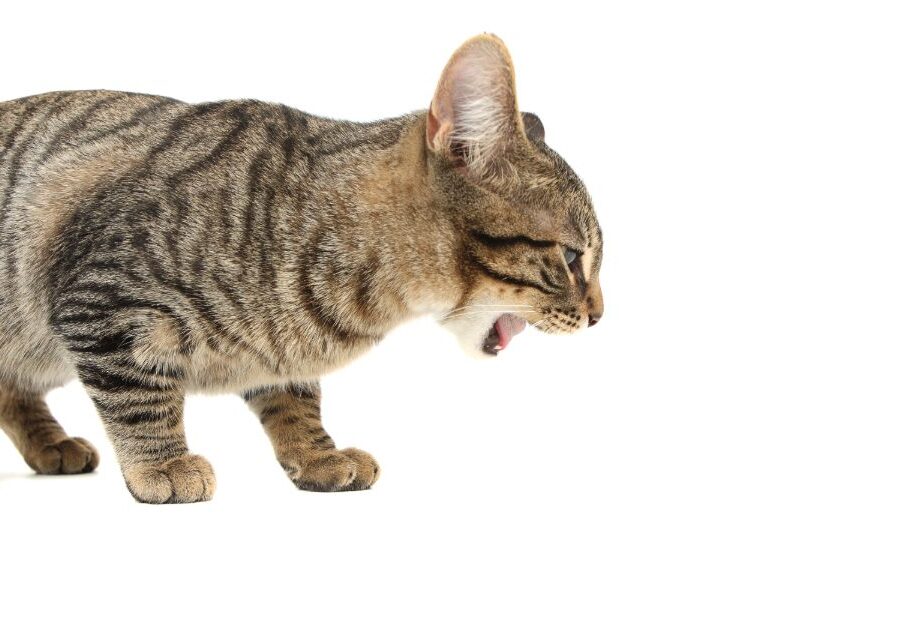

If you’ve ever stepped on a slimy, tube-shaped surprise on your kitchen floor, you’ve already met the hairball. Most cat owners accept hairballs as an unavoidable part of life with a feline, but there’s actually quite a bit worth understanding about why they happen, what’s normal, and when they signal something that needs veterinary attention. Cat hairballs are more than just an occasional gross inconvenience. They can tell you a lot about your cat’s grooming habits, digestive health, and overall well-being. Read on to get the full picture.
What Are Cat Hairballs and Why Do Cats Get Them?
A hairball, technically called a trichobezoar, forms when loose hair that a cat swallows during grooming accumulates in the stomach instead of passing through the digestive tract. Cats are meticulous self-groomers, and their tongues are covered in tiny, backward-facing hooks called papillae that pull loose fur from their coats. Most of that ingested hair moves through the digestive system without issue, but some of it stays behind in the stomach and compacts into a mass over time.
When the stomach tries to expel this mass, the result is the retching, gagging, and eventual vomiting most cat owners know well. Despite the name, hairballs are usually elongated rather than round (shaped by the esophagus during expulsion) and they often look more like a damp, matted clump than anything spherical.
Which Cats Are Most Likely to Get Hairballs?
While any cat can develop hairballs, certain factors increase the likelihood. Long-haired cats like Maine Coons, Persians, and Ragdolls ingest more hair during grooming and tend to experience hairballs more frequently than their short-haired counterparts. Cats that groom excessively due to stress, skin irritation, or allergies are also at higher risk. And as cats age, their digestive motility can slow, making it harder for hair to pass through naturally.
How Often Are Cat Hairballs Normal?
This is one of the most common questions cat owners ask, and the honest answer is that it depends on your individual cat. Hairballs aren’t normal in cats, though super common. Cats are designed to groom and ingest hair and should pass it. Hairballs are a sign that there is an underlying issue either with either GI or skin most of the time.
When Do Hairballs Become a Concern?
If your cat is vomiting hairballs more than once or twice a week, that frequency warrants a veterinary conversation. Similarly, if your cat is retching or gagging repeatedly without producing anything, it’s important to have them evaluated. This can indicate a hairball that is stuck, a blockage, or another underlying issue. Other red flags include lethargy, loss of appetite, constipation, or a distended abdomen alongside hairball symptoms. These signs may point to a gastrointestinal obstruction, which is a medical emergency requiring prompt veterinary attention.
What Does Cat Hairball Vomiting Look and Sound Like?
Cat owners sometimes struggle to distinguish hairball vomiting from other types of vomiting. Hairball episodes typically involve a distinctive retching or hacking sound followed by the expulsion of a cylindrical mass of compacted fur, usually mixed with digestive fluid and sometimes undigested food. The process can look dramatic and distressing, but it typically resolves within a minute or two.
Hairball vs. Regular Vomiting
Not every vomiting episode in a cat involves a hairball. If your cat vomits frequently but rarely or never produces a hairball, the cause may be something else entirely such as dietary issues, food allergies, parasites, inflammatory bowel disease, or other medical conditions. Chronic vomiting in cats always merits a veterinary evaluation, regardless of whether hairballs appear to be involved.
Can Hairballs Cause Serious Health Problems in Cats?
In most cases, hairballs are an uncomfortable but manageable nuisance. However, they can occasionally lead to complications that require medical intervention. A hairball that becomes too large to be vomited up or too compacted to pass through the intestines can create a serious obstruction. This is more common in cats who groom excessively or who have underlying digestive conditions that slow gut motility.
Signs of a Hairball Blockage
A gastrointestinal blockage from a hairball is a genuine medical emergency. Warning signs include persistent vomiting or retching without producing a hairball, refusal to eat, lethargy, and a visibly swollen or tender abdomen. If your cat shows any of these symptoms, contact your veterinarian immediately — do not wait to see if the situation resolves on its own.
What Causes Cats to Get More Hairballs Than Usual?
A sudden increase in hairball frequency can be a meaningful signal. Several factors can drive more frequent hairball production, and identifying the underlying cause is the first step toward addressing it.
Excessive Grooming
Cats that over-groom ingest significantly more hair than they would through normal grooming. Over-grooming is often linked to stress, anxiety, skin conditions, allergies, or parasites like fleas. If your cat seems to groom compulsively including licking the same areas repeatedly, causing thinning patches, or grooming more than usual. This is worth discussing with your vet.
Seasonal Shedding
Many cat owners notice more hairballs during spring and fall when cats naturally shed their coats. Increased shedding means more loose fur available to be swallowed during grooming, which can temporarily increase hairball frequency. Regular brushing during these periods can help reduce the amount of hair your cat ingests.
Digestive Health Issues
When the digestive tract isn’t moving as efficiently as it should, hair that would normally pass through gets retained in the stomach. Conditions like inflammatory bowel disease, constipation, or motility disorders can contribute to more frequent hairball formation. If your cat’s hairball issues seem tied to other digestive symptoms, a veterinary workup can help identify what’s going on underneath.
What Happens During a Veterinary Exam for Hairball Issues
When hairball issues are frequent or concerning, your veterinarian will take a detailed history and perform a thorough physical exam. Depending on what they find, they may recommend bloodwork, urinalysis, or imaging such as X-rays or ultrasound to check for blockages, rule out other conditions, and assess your cat’s overall gastrointestinal health. The goal is always to understand the full picture rather than just treating the symptom in isolation.
What Your Cat’s Hairballs Are Really Telling You
Cat hairballs are often dismissed as an unavoidable quirk of feline life, but they’re actually worth paying attention to. Frequency, consistency, and any accompanying symptoms all provide clues about your cat’s health. The occasional hairball in an otherwise happy, healthy cat is generally nothing to worry about, but changes in pattern, especially when paired with other symptoms, deserve a closer look. If your cat has been producing hairballs more frequently than usual, vomiting without producing a hairball, or showing any signs of digestive distress, our knowledgeable veterinarians at Feline Medical Clinic in Vancouver, WA are here to help. Call (360) 892-0224 or book an appointment online to give your cat the care they need.
Recent Posts
About Us
Located in Vancouver, WA, we’ve been dedicated to feline-only care since 1977 and proudly maintain both AAHA accreditation and Cat Friendly Practice Gold-level status. Our team creates a calm, cat-focused environment designed to meet the unique needs of every feline patient we see.