
Making Biscuits: Decoding the Mystery of Cat Kneading
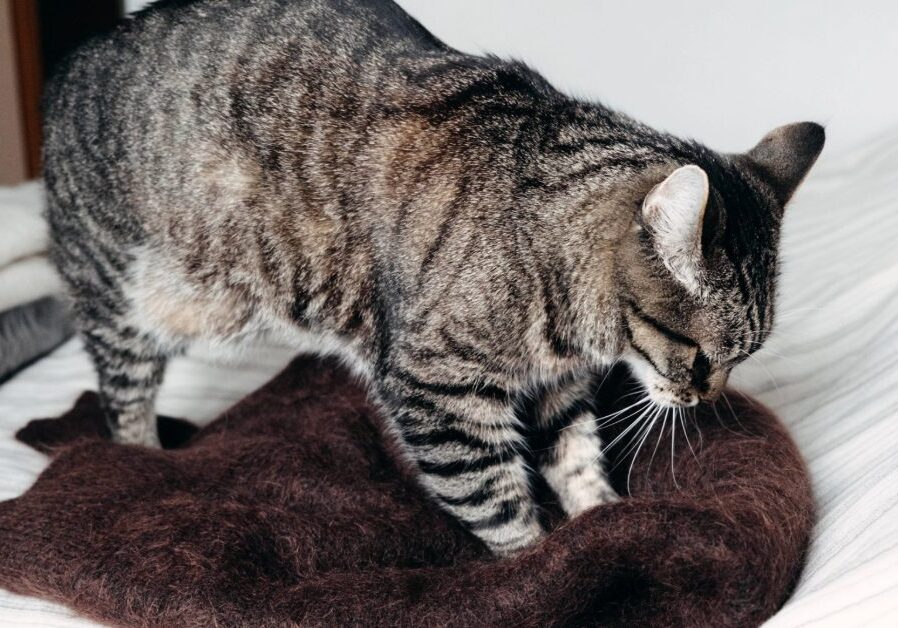

If you have ever watched your cat rhythmically push their paws in and out against a soft surface, you have witnessed one of the most universally recognized feline behaviors: cat kneading. Sometimes called making biscuits because of how closely it resembles a baker working dough, cat kneading is a completely normal behavior with surprisingly deep roots in feline biology and psychology. Whether your cat kneads on blankets, your lap, or even the air, understanding why they do it can deepen your bond and help you recognize when the behavior might be signaling something worth a closer look. Read on for everything you have ever wanted to know about this charming quirk.
What Is Cat Kneading and Why Do Cats Do It?
Cat kneading is the repetitive motion of alternating paw pushes, most often performed against soft surfaces. The behavior begins in kittenhood, when nursing kittens knead their mother’s abdomen to stimulate milk flow. Even after cats are fully grown and weaned, many retain this instinctive movement throughout their lives. The association between kneading and comfort, warmth, and nourishment runs deep in feline memory, which is why adult cats so often knead when they feel relaxed, happy, or affectionate. While the nursing origin is the most widely accepted explanation, cat kneading serves several purposes in adult cats that go beyond simple nostalgia for kittenhood.
Scent Marking and Territory
Cats have scent glands located in the soft pads of their paws. When a cat kneads a surface, they deposit their unique scent onto it, effectively marking it as their own. This is one reason cats frequently knead on their favorite humans. Far from being a random habit, your cat kneading your lap is an act of ownership, a feline compliment that says you belong to them.
Nesting and Comfort-Seeking
Before domestic cats had cozy beds and plush blankets, their wild ancestors would pat down grass and leaves to create a comfortable sleeping spot. Cat kneading is believed to retain this ancestral nesting instinct. When your cat kneads a blanket before curling up, they are simply doing what their instincts have always told them to do: prepare a safe, comfortable resting place.
Stress Relief and Self-Soothing
Kneading has a clear calming function for many cats. The repetitive, rhythmic motion appears to help cats self-soothe during moments of anxiety or overstimulation, similar to how humans might tap a foot or fidget. You may notice your cat kneading more frequently during changes in the household, after stressful events, or when they are winding down for sleep.
Why Do Some Cats Knead More Than Others?
Not all cats are prolific kneaders. The frequency and intensity of cat kneading can vary widely from cat to cat, and several factors influence how much a cat kneads throughout their life.
- Age at weaning: Cats that were weaned too early, before eight weeks of age, are often more frequent kneaders as adults. The behavior compensates for the abbreviated nursing period and the comfort it provided.
- Personality and temperament: Affectionate, people-oriented cats tend to knead more often, especially when interacting with their favorite humans. More independent cats may knead rarely or only in private.
- Level of comfort and security: A cat that feels safe and deeply attached to their environment and caregivers is more likely to knead regularly. Cats that are anxious or unsettled may knead compulsively or show the behavior only in certain situations.
- Spay and neuter status: Unspayed female cats sometimes knead more intensely or frequently during heat cycles as part of hormonal behavior. Spaying typically reduces this pattern.
Common Questions Cat Owners Ask About Kneading
Cat kneading generates a lot of curiosity and the occasional concern. Here are straightforward answers to the questions we hear most often at Feline Medical Clinic in Vancouver, WA.
Why Does My Cat Knead Me Specifically?
When a cat kneads on you, it signals trust, affection, and a sense of security. Your cat views you as a source of comfort, similar to the security they felt with their mother. Cats also communicate ownership through kneading, so being chosen as a kneading target is genuinely a compliment from your cat.
Why Does My Cat Drool or Purr While Kneading?
Drooling and purring during cat kneading are both signs of deep relaxation and happiness. The drooling is linked to the original nursing behavior, where kittens would salivate in anticipation of milk. Adult cats sometimes slip into this same state of contented relaxation while kneading. If your cat drools and purrs together, consider it a very enthusiastic endorsement of your company.
Is Cat Kneading Ever a Problem?
For most cats, kneading is a harmless and healthy behavior. There are situations, however, where it is worth paying closer attention. Sharp claws during kneading can accidentally scratch skin or snag fabric, which is manageable with regular nail trims. A cat that suddenly begins kneading compulsively or obsessively, particularly if combined with other behavioral changes, may be experiencing stress, anxiety, or discomfort that warrants a veterinary conversation. Kneading accompanied by signs of pain, such as vocalizing or guarding a limb, should also prompt a vet visit.
Should I Stop My Cat From Kneading on Me?
Discouraging kneading is not generally necessary and can inadvertently make your cat feel rejected during a moment of vulnerability and affection. If the claws are the issue, keeping nails trimmed short and placing a thick blanket between your cat and your skin during kneading sessions are practical solutions that let both of you enjoy the moment. Redirecting your cat to a nearby soft surface is another option if the kneading becomes uncomfortable.
What Cat Kneading Tells You About Your Cat’s Emotional State
Cat kneading is one of many ways cats communicate how they are feeling. Learning to read kneading in context gives you a richer picture of your cat’s emotional world. In most cases, kneading is a positive signal, but the circumstances matter.
- Kneading before sleep: Almost always a sign of contentment. Your cat is preparing to settle in and feels safe doing so.
- Kneading on you while purring: A strong signal of affection and trust. Your cat is at ease and wants to be close to you.
- Kneading combined with anxious behaviors such as hiding, excessive vocalization, or over-grooming: This combination could indicate stress, pain, or an underlying health concern. Bring these observations to your veterinarian.
- Kneading on new surfaces or after household changes: Likely a comfort-seeking and scent-marking response to something unfamiliar. Usually resolves on its own as your cat adjusts.
Cat Kneading and Health: When to Talk to Your Vet
In the vast majority of cases, cat kneading is a perfectly normal feline behavior that requires no intervention. Your veterinarian is a great resource, though, when kneading behavior changes noticeably or occurs alongside symptoms that seem out of character for your cat.
A sudden increase in kneading intensity, compulsive or repetitive kneading that the cat cannot seem to interrupt, or kneading that appears painful should all be mentioned during a wellness visit. These changes can sometimes point to neurological changes, musculoskeletal discomfort, or anxiety disorders that benefit from professional evaluation and care.
If your cat has been kneading less than usual, that is also worth noting. A cat that previously kneaded frequently and has stopped may be experiencing discomfort in their paws or joints, or may be going through a stressful period that has disrupted their normal routines.
The Science of Feline Comfort Behaviors
Cat kneading belongs to a category of behaviors that researchers call comfort behaviors, which are rooted in early developmental experiences and persist into adulthood because of the emotional associations they carry. Other feline comfort behaviors include bunting (head rubbing), slow blinking, and allogrooming (social grooming). Together, these behaviors paint a portrait of your cat’s emotional and social needs. A cat that engages in several comfort behaviors regularly is generally a cat that feels safe, bonded, and well-adjusted.
Understanding why cats knead helps you respond to the behavior with patience and appreciation rather than frustration. Each time your cat makes biscuits on your lap, they are expressing something that language never could: that you are their safe place.
What Making Biscuits Really Means for You and Your Cat
Cat kneading is one of the most endearing behaviors in the feline repertoire. It bridges the gap between your cat’s wild instincts and their deep need for connection with you. Whether your cat kneads occasionally or constantly, the behavior is a window into their inner world and an invitation to appreciate how cats show love on their own terms.
At Feline Medical Clinic in Vancouver, WA, we love talking about all aspects of cat behavior, from adorable habits like kneading to more complex questions about health and wellness. Our team of feline-focused professionals is here to support you and your cat at every stage of life. If you have questions about your cat’s behavior or it is time for a wellness visit, call us at (360) 892-0224 or book an appointment online today. We would love to meet your biscuit maker.
Recent Posts
About Us
Located in Vancouver, WA, we’ve been dedicated to feline-only care since 1977 and proudly maintain both AAHA accreditation and Cat Friendly Practice Gold-level status. Our team creates a calm, cat-focused environment designed to meet the unique needs of every feline patient we see.