
The Overactive Thyroid: How Hyperthyroidism Affects Your Cat’s Body
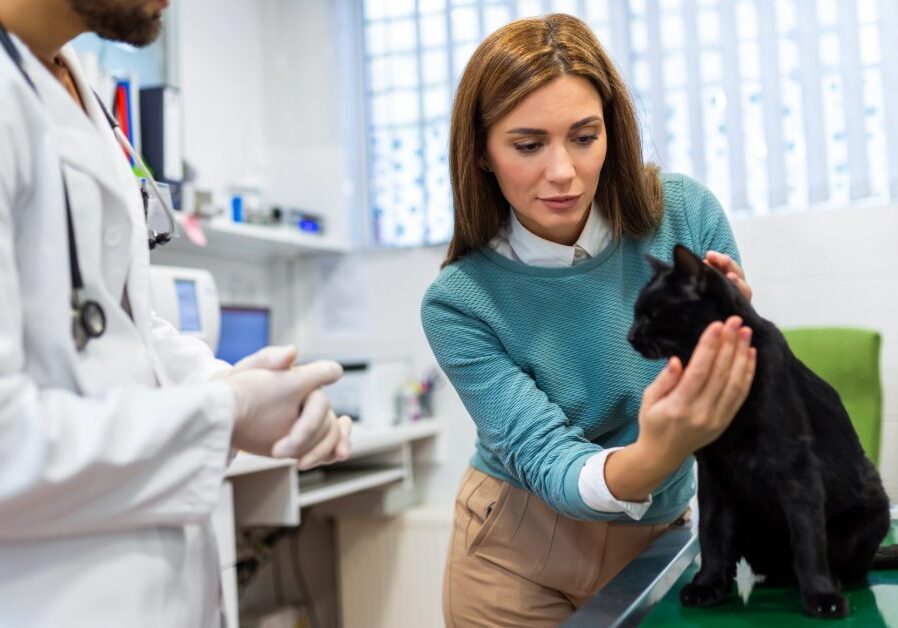

It can be confusing to watch your cat eating more than ever but still losing weight, or becoming restless and vocal at 3 a.m. when they used to sleep through the night. Cat hyperthyroidism is one of the most common hormonal disorders in middle-aged and senior cats, and it’s also one of the most treatable. The more you understand about what’s happening in your cat’s body, the better equipped you’ll be to get them the help they need. Below, we’ll break down exactly how hyperthyroidism affects cats, what signs to watch for, and why early veterinary care makes a meaningful difference.
What Is Cat Hyperthyroidism?
Hyperthyroidism in cats occurs when the thyroid gland (a small, butterfly-shaped gland in the neck) produces an excessive amount of thyroid hormone. Thyroid hormone regulates metabolism, heart rate, blood pressure, and a range of other vital functions. When the thyroid goes into overdrive, virtually every system in the body is affected.
What Causes Hyperthyroidism in Cats?
In the vast majority of cases, feline hyperthyroidism is caused by a benign (non-cancerous) overgrowth of thyroid tissue called an adenoma. One or both thyroid lobes may be involved. The exact cause of this overgrowth isn’t fully understood, but age, dietary factors, and environmental exposures have all been studied as potential contributors. Thyroid cancer accounts for a small minority of cases, which is roughly 1 to 2 percent.
Is Cat Hyperthyroidism Common?
Yes, feline hyperthyroidism is considered the most common endocrine disorder in cats. It’s rarely diagnosed in cats younger than 8, with the average age of diagnosis falling between 12 and 13 years. If your cat is middle-aged or older and showing unusual symptoms, hyperthyroidism belongs on the list of possibilities your vet will want to rule in or out.
Signs and Symptoms of Hyperthyroidism in Cats
Recognizing the signs of feline hyperthyroidism early is important because the condition tends to progress and affect more of the body over time. The symptoms can be subtle at first, which is why many cat owners initially attribute them to normal aging. If you notice any combination of the following, it’s worth scheduling a veterinary evaluation.
Weight Loss Despite Increased Appetite
This is the hallmark symptom of hyperthyroidism in cats. The revved-up metabolism caused by excess thyroid hormone burns through calories faster than a cat can consume them. Your cat may seem ravenous and still lose weight steadily. Some owners describe this as their cat suddenly acting like a hungry kitten again. It can seem like a positive change at first, which is part of why the condition often goes undetected early on.
Increased Thirst and Urination
Cats with hyperthyroidism often drink more water than usual and urinate more frequently as a result. This symptom overlaps with other common conditions like diabetes and kidney disease, which is why veterinary testing is essential for an accurate diagnosis rather than relying on symptoms alone.
Hyperactivity, Restlessness, and Behavioral Changes
An overactive thyroid can make cats feel agitated and overstimulated. Cats that were once calm may become hyperactive, vocal, or even aggressive. Night yowling is a frequently reported symptom. Some cats show difficulty settling or seem unable to relax because their nervous system is essentially running on high alert around the clock.
Vomiting and Diarrhea
Gastrointestinal upset is common in cats with hyperthyroidism. The increased gut motility driven by excess thyroid hormone can lead to vomiting, loose stools, or frequent defecation. These symptoms are easy to misattribute to dietary changes or other digestive issues, which is another reason a thorough exam is so valuable.
Heart and Cardiovascular Effects
One of the more serious consequences of untreated feline hyperthyroidism is cardiovascular strain. Excess thyroid hormone increases heart rate and can lead to high blood pressure (hypertension) and hypertrophic cardiomyopathy, a thickening of the heart muscle. Left untreated, these changes can cause significant, sometimes irreversible heart damage. Your vet will often check blood pressure and listen carefully to your cat’s heart during a hyperthyroidism evaluation.
How Is Feline Hyperthyroidism Diagnosed?
Diagnosing hyperthyroidism in cats is relatively straightforward with the right testing. Your veterinarian at Feline Medical Clinic will typically begin with a physical exam as an enlarged thyroid gland (called a goiter) can sometimes be felt in the neck. Blood work is the key diagnostic tool, with a total T4 (thyroxine) level being the primary test used to confirm elevated thyroid hormone.
What Happens If Other Conditions Are Present?
Hyperthyroidism can mask concurrent conditions like kidney disease. Because elevated thyroid hormone actually increases blood flow to the kidneys, a cat’s kidney function may appear normal on bloodwork despite underlying kidney insufficiency. When treatment brings thyroid levels back to normal, underlying kidney disease can become apparent. This is a nuanced aspect of feline hyperthyroidism management that your veterinarian will monitor carefully.
Can Cat Hyperthyroidism Be Treated?
The good news is that feline hyperthyroidism is very treatable, and most cats respond well to therapy. There are several established treatment approaches, and the best option for your cat will depend on their overall health, age, and individual circumstances. Your veterinarian will walk you through the options in detail.
Medication
Oral anti-thyroid medications (most commonly methimazole) are a common first-line approach. They work by blocking the production of thyroid hormone. Medication is effective and reversible, which makes it a good starting point, especially in cats where surgery or radioactive iodine may carry higher risks. It does require consistent daily administration and regular monitoring bloodwork, which is something to factor into your decision.
Radioactive Iodine Therapy
Radioactive iodine (I-131) therapy is considered the gold standard treatment for feline hyperthyroidism. It involves a single injection that selectively destroys abnormal thyroid tissue while leaving healthy tissue intact. It’s highly effective, typically curative, and avoids the need for ongoing daily medication. It does require a short stay at a specialized veterinary facility.
Surgery and Dietary Management
Surgical removal of the affected thyroid tissue is another option, particularly in younger cats in good overall health. A prescription low-iodine diet is also available as a management tool for cats who cannot tolerate other treatments. Each approach carries its own considerations, and the right choice is always made in partnership with your veterinary team.
When Should You Call the Vet About Your Cat’s Thyroid?
If your cat is over 8 years old and you’ve noticed unexplained weight loss, increased appetite, unusual restlessness, or any other changes in behavior or routine, don’t wait to see if things improve on their own. Feline hyperthyroidism is progressive, and the longer it goes untreated, the greater the toll on your cat’s heart, kidneys, and overall health. A simple blood test can provide answers quickly and early treatment gives your cat the best chance at a comfortable, high-quality life. Call (360) 892-0224 or book an appointment online to get your cat the care they deserve.
Recent Posts
About Us
Located in Vancouver, WA, we’ve been dedicated to feline-only care since 1977 and proudly maintain both AAHA accreditation and Cat Friendly Practice Gold-level status. Our team creates a calm, cat-focused environment designed to meet the unique needs of every feline patient we see.