
Stay on Schedule, Stay Safe: The Critical Importance of Your Cat’s Rabies Vaccination
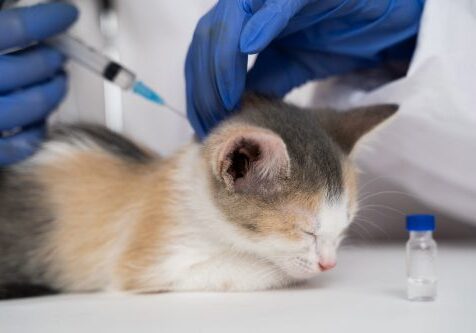

Cats bring independence, personality, and companionship into our lives, but protecting their health requires thoughtful, consistent preventive care. One of the most important responsibilities of cat ownership is staying current with your cat rabies vaccination. Rabies is a fatal viral disease that affects mammals and poses a serious public health risk, which is why vaccination laws exist and why veterinarians emphasize strict adherence to vaccine schedules. This blog explains why the cat rabies vaccination matters, how it protects both cats and people, and what Vancouver, WA pet owners should know about local requirements. By understanding the role of the cat rabies vaccination, you can make informed decisions that support your cat’s long-term health while meeting state regulations.
Why Rabies Remains a Serious Threat for Cats
Rabies continues to circulate in wildlife populations throughout the United States, including Washington State. Even though many cats live indoors, exposure risks still exist, which is why veterinarians strongly advocate for the cat rabies vaccination. Bats, raccoons, skunks, and other wildlife can enter garages, attics, and living spaces, creating unexpected contact opportunities. When a cat encounters a rabid animal, the disease can spread through bites or saliva exposure, making prevention critical.
A cat rabies vaccination protects cats from a disease that has no cure once symptoms appear. Rabies attacks the nervous system, leading to behavioral changes, neurological decline, and ultimately death. Because rabies is zoonotic, meaning it can spread from animals to humans, public health authorities closely regulate the cat rabies vaccination. Maintaining an up-to-date cat rabies vaccination safeguards your household and your community while reducing the risk of quarantine or legal complications following an animal bite.
Understanding How the Cat Rabies Vaccination Works
The cat rabies vaccination stimulates the immune system to recognize and respond to the rabies virus if exposure occurs. While the vaccine does not cause rabies, it trains the immune system to defend against it effectively. This immune response is what makes the cat rabies vaccination such a powerful preventive tool.
Vaccines follow manufacturer guidelines regarding initial doses and booster schedules. These schedules matter because immunity can wane over time, even after a successful cat rabies vaccination. Regular veterinary visits allow your veterinarian to track vaccine timing and confirm that your cat remains protected. The cat rabies vaccination works best when administered on schedule, which is why lapses in vaccination history can create risk for both pets and owners.
Washington State Rabies Laws and What They Mean for Cat Owners
Washington State law requires all dogs, cats, and ferrets to receive a rabies vaccination and remain current based on veterinary and manufacturer instructions. This regulation applies regardless of whether a cat lives indoors or outdoors. The law reflects the seriousness of rabies exposure and the importance of prevention through the cat rabies vaccination. Failure to comply with state rabies laws can result in legal consequences, especially if a bite incident occurs. An up-to-date cat rabies vaccination can prevent mandatory quarantine periods or more severe outcomes. For Vancouver, WA residents, following these regulations supports community safety while protecting individual pets.
Feline Medical Clinic’s Rabies Vaccination Policy
Feline Medical Clinic follows Washington State regulations closely and requires all patients, including indoor-only cats, to receive a cat rabies vaccination according to vaccine manufacturer recommendations. This policy exists to protect cats, owners, veterinary staff, and the surrounding community. Even cats that never go outside face unexpected risks, which is why our clinic emphasizes consistent vaccination.
In rare cases, a cat’s health status may make them a poor candidate for vaccination. When this occurs, a waiver may be signed after careful veterinary evaluation. These situations are uncommon, but they highlight the importance of individualized care within the broader framework of public health. If you have questions about the cat rabies vaccination or your cat’s eligibility, Feline Medical Clinic encourages you to call us at (360) 892-0224 or book an appointment online to discuss your concerns.
Indoor Cats and the Misconceptions Around Rabies Risk
Many cat owners assume that indoor cats do not need a cat rabies vaccination, but this belief overlooks real-world exposure risks. Indoor cats can escape through open doors, torn screens, or during emergencies such as fires or natural disasters. Wildlife can also enter homes, leading to unplanned interactions that place cats at risk. Because rabies transmission only requires a brief exposure, relying on an indoor lifestyle alone does not replace the protection offered by a cat rabies vaccination. Veterinarians routinely see cases where indoor cats encounter bats inside the home. These situations reinforce why the cat rabies vaccination remains essential, regardless of how carefully a cat’s environment is managed.
The Role of the Cat Rabies Vaccination in Public Health
Rabies prevention extends beyond individual pets and directly impacts community health. The cat rabies vaccination reduces the likelihood of human exposure following bites or scratches. When cats remain vaccinated, public health officials can respond more efficiently to incidents without resorting to strict containment measures. A documented cat rabies vaccination also simplifies medical decision-making if a bite occurs. It allows veterinarians and public health authorities to follow established protocols with confidence. By maintaining a current cat rabies vaccination, cat owners actively contribute to disease control efforts that protect families, neighbors, and veterinary teams.
Vaccine Schedules and Why Timing Matters
Rabies vaccines follow precise schedules based on age, vaccine type, and previous vaccination history. These schedules exist to maintain consistent immunity levels. Skipping or delaying a cat rabies vaccination can leave gaps in protection, even if a cat has been vaccinated in the past. Veterinary teams track vaccination timelines carefully to ensure compliance with state law and manufacturer guidelines. Staying on schedule with a cat rabies vaccination avoids unnecessary complications and helps ensure uninterrupted protection. Routine wellness visits provide an opportunity to review vaccine records and plan future boosters with confidence.
Addressing Common Concerns About the Cat Rabies Vaccination
Some cat owners worry about vaccine safety or necessity, especially for older or indoor cats. These concerns deserve thoughtful discussion with your veterinarian. The cat rabies vaccination has a long history of use and plays a central role in feline preventive care. Veterinarians consider a cat’s age, lifestyle, and medical history when planning vaccinations. Open communication helps address concerns while reinforcing the importance of the cat rabies vaccination.
How the Cat Rabies Vaccination Supports Lifelong Preventive Care
Preventive care focuses on identifying risks early and taking proactive steps to reduce them. The cat rabies vaccination fits seamlessly into this approach by offering long-term protection against a fatal disease. When paired with regular wellness exams, vaccination supports a stable foundation for a cat’s health.
Cats benefit from consistent veterinary relationships where preventive services remain up to date. Maintaining a current cat rabies vaccination reflects a commitment to responsible pet ownership and long-term planning. It also helps veterinarians provide care efficiently and safely throughout a cat’s life.
Taking the Next Step for Your Cat’s Care
Staying current with your cat rabies vaccination protects your cat, supports public health, and keeps you compliant with Washington State law. Feline Medical Clinic in Vancouver, WA prioritizes clear communication, preventive care, and patient safety for every cat they serve. If you have questions about scheduling a cat rabies vaccination or reviewing your cat’s vaccine history, our team is ready to help. Call (360) 892-0224 or book an appointment online to keep your cat rabies vaccination on schedule and support your cat’s ongoing care with confidence.
Recent Posts
About Us
Located in Vancouver, WA, we’ve been dedicated to feline-only care since 1977 and proudly maintain both AAHA accreditation and Cat Friendly Practice Gold-level status. Our team creates a calm, cat-focused environment designed to meet the unique needs of every feline patient we see.